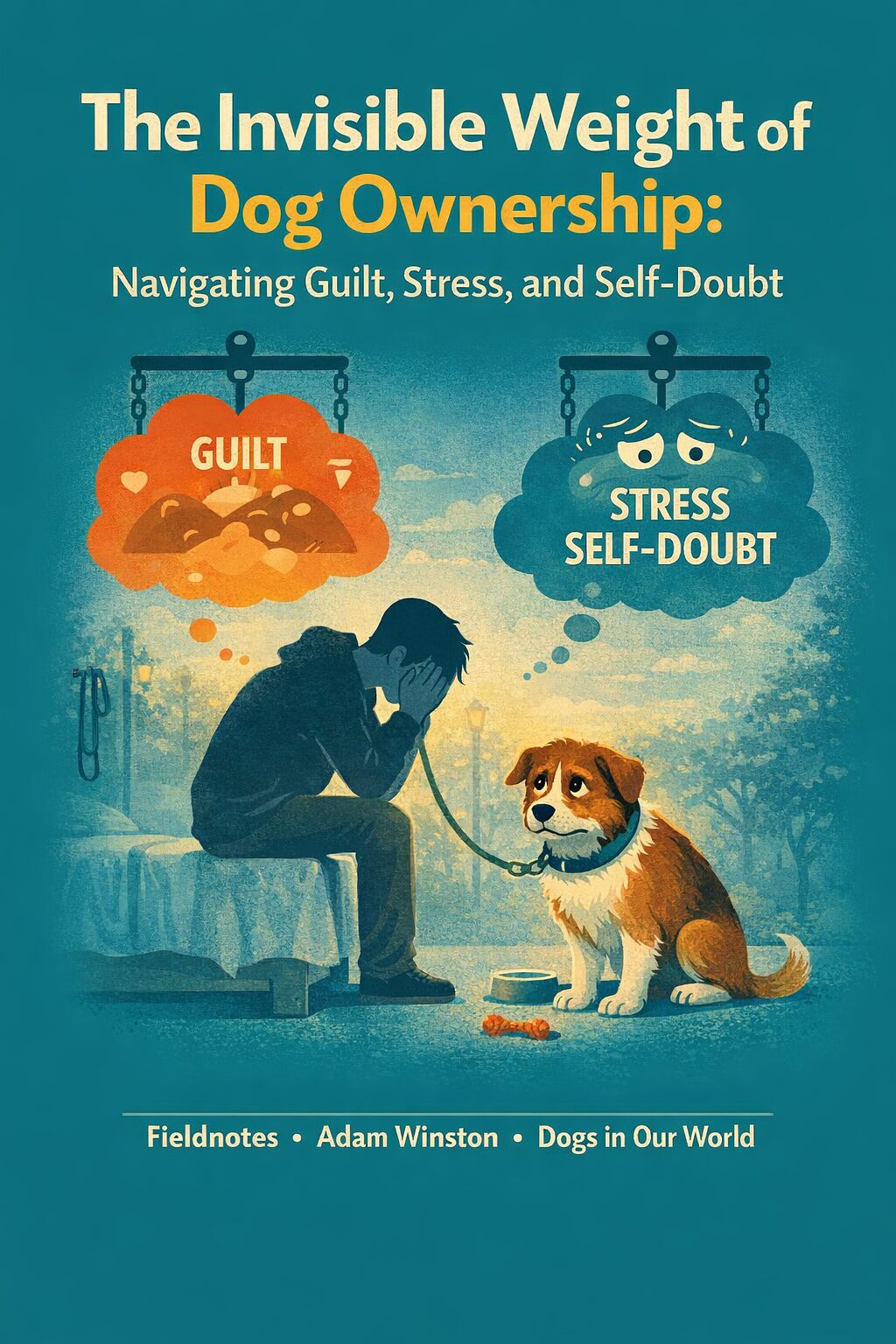
The Invisible Weight of Dog Ownership: Navigating Guilt, Stress, and Self-Doubt
Introduction
Owning a dog is often described as one of life’s greatest joys, but beneath the wagging tails and happy moments lies an invisible weight many dog owners carry: the stress, guilt, and self-doubt about whether they are truly doing enough for their furry companions. This emotional burden can feel overwhelming, leaving owners questioning their choices and struggling to find peace in the daily responsibilities of dog care.
If you’ve ever found yourself wondering, “Am I doing enough for my dog?” or “Why does having a dog feel so stressful?” you’re not alone. These feelings are deeply human and common among dog owners, yet they are rarely discussed openly.
This article explores these emotions with compassion and science-backed insights, offering practical support to help you navigate the complexities of dog ownership with confidence and kindness. Drawing on the latest research and real-world experiences, I aim to bust myths, reduce guilt, and empower you to build a joyful, balanced relationship with your dog.
Understanding the Emotional Landscape of Dog Ownership
Owning a dog means meeting their natural needs, which include plenty of sleep, daily exercise, and a consistent routine. Dogs typically require more sleep than humans, often needing 12 to 14 hours a day to stay healthy and happy. Most adult dogs benefit from at least one hour of partnered cardio exercise daily, which can be broken into two brisk 30-minute leash walks or an active play session like fetch or Frisbee.
Routine is crucial for dogs’ well-being. You don’t have to take your dog on grand adventures every week if that’s not your style. Instead, regular visits to familiar places where both of you feel comfortable can provide stability and reduce stress. Scientific studies show that dogs tend to “sync” their lifestyles with their owners. Whether you’re an avid runner or prefer a more relaxed home life, your dog will often adapt to your pace.
Understanding these basics and incorporating flexible, creative exercise options can help owners set realistic expectations and reduce feelings of guilt or inadequacy.
Many dog owners struggle with feelings of guilt or stress about whether they are providing enough exercise and enrichment. Remember, quality and consistency tailored to your dog’s personality and your lifestyle matter more than trying to meet external expectations. This mindset can help ease the invisible weight of dog ownership and foster a healthier, happier relationship.
The Fear of Missing Out (FOMO) and Dog Ownership
Many dog owners experience a form of FOMO—fear of missing out—when it comes to their pets. They worry that they aren’t providing enough socialization, exercise, or enrichment, especially when comparing their routines to others’ seemingly perfect dog adventures. This often leads to guilt and stress.
For example, dog parks are popular destinations, but not all dogs enjoy them. Some dogs find the noise and chaos overwhelming, which can increase stress for both dog and owner. Owners who push their dogs into uncomfortable situations may feel guilty when their dog reacts negatively, deepening the emotional strain.
Understanding that every dog is unique and that quality time in calm, familiar environments can be just as fulfilling helps ease this guilt. It’s important to recognize that your dog’s happiness doesn’t depend on frequent outings to busy places but on consistent, loving care tailored to both of your personalities.
Acknowledge your dog’s individual needs and preferences, and resist the pressure to meet external expectations or compare your routine to others. This mindset can help reduce stress and foster a more joyful relationship.
It’s important to recognize that your dog’s happiness doesn’t depend on frequent outings to busy places but on consistent, loving care tailored to both of your personalities.
Adam Winston – Dogs in Our World
Planning for Life’s Transitions: Travel, Time Away, and Support Options
Traveling or spending time away from your dog can be a significant source of stress for many owners. The worry about leaving your furry friend behind, finding trustworthy care, and maintaining their routine often weighs heavily on your mind.
Fortunately, there are reliable options to ease this burden. Local experts like Tony MacFee, owner and operator of The Country Inn Pet Resort and Spa in McCleary, WA, and Shane “The Dog Dude” in Florence, AZ, offer personalized pet care services that provide peace of mind tailored to different needs.
Tony specializes in a summer camp and resort-style experience at The Country Inn Pet Resort, located in a peaceful, remote setting near the scenic Highway 101. His clients often appreciate the opportunity for their dogs to make friends and enjoy wide-open spaces. Tony also offers half-day boarding, perfect for dogs who need to burn off energy with playdates and field runs while their humans make the 30-minute trip to Olympia for appointments. Owners can pick up their tired pups on the way home, knowing they’ve had a safe and fun outlet for their energy.
For dogs that prefer a quieter environment or aren’t as social, Shane “The Dog Dude” provides a boarding service called “drop-in care.” Shane and his team visit each dog’s home three times a day, engaging them in a “power hour” of running and play before returning them to the comfort of their own space to rest. This tailored approach suits dogs who thrive best in familiar surroundings and benefit from personalized attention.
Shane often encounters clients who feel “stuck between a rock and a hard place” when it comes to exercising their dogs. Many have tried and failed to take their dogs on proper walks, leading to stress for both owner and dog. Shane encourages owners to think creatively and consider alternatives to traditional walks, such as using a 50-foot training lead in an open space to play fetch or introduce a flirt pole. These activities provide focused cardio exercise and help dogs burn energy effectively, reducing stress and frustration.
National platforms such as Rover.com also connect owners with vetted dog sitters and walkers, offering flexible support options to fit various budgets and schedules.
Planning ahead and establishing a trusted support network can help reduce anxiety around time away from your dog, ensuring they receive consistent care and attention even when you’re not home.
Client stories highlight how personalized care options have transformed the experience of leaving pets behind, turning anxiety into reassurance. For example, one of Shane’s clients told me how daily updates and familiar routines helped their dog stay calm and happy during a two-week business trip.
Exploring options like pet-friendly accommodations, doggy daycare, or trusted friends and family can also provide flexible solutions for different travel needs and durations.
Ultimately, proactive planning and open communication with caregivers are key to minimizing stress for both you and your dog during times apart.
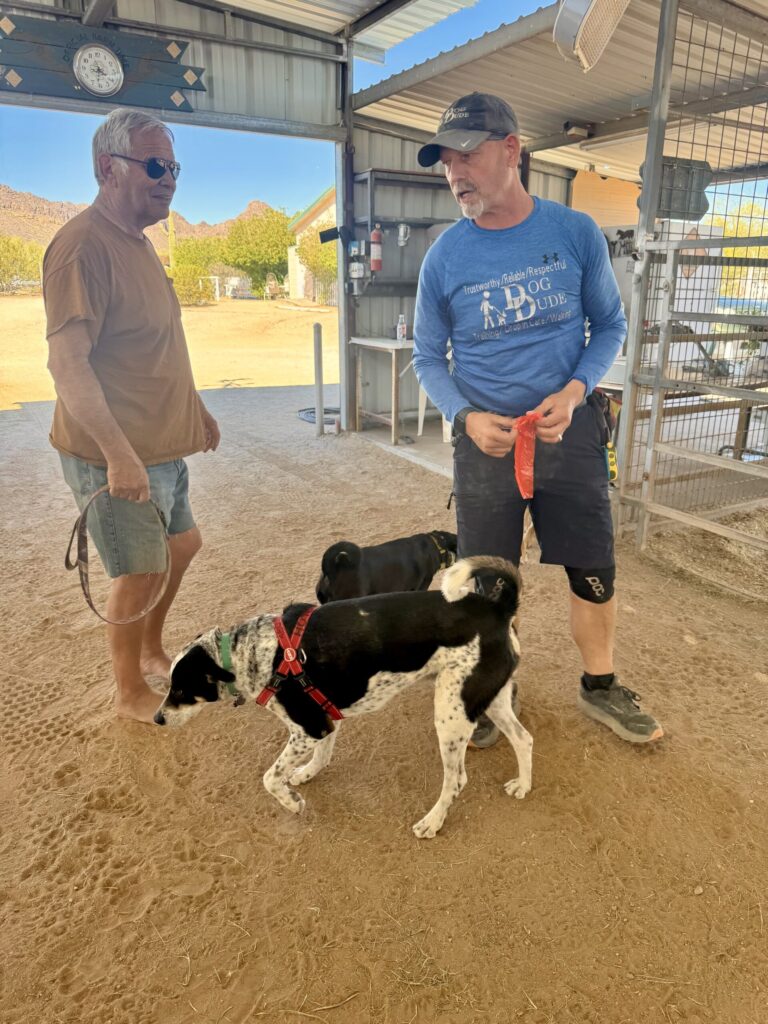
Shane “the dog dude” Anderson at a client’s ranch on a House Call in the Sonoran Desert. Learn more about Shane’s services in Florence, AZ.
Planning ahead and establishing a trusted support network can help reduce anxiety around time away from your dog, ensuring they receive consistent care and attention even when you’re not home.
adam winston – dogs in our world
Compassion Fatigue, Anthropomorphism, and Emotional Labor in Dog Ownership
Compassion fatigue is a profound form of emotional exhaustion that many dedicated dog owners experience when they invest deeply in their pets’ well-being. This ongoing emotional labor involves the continuous effort to interpret and meet a living being’s needs and feelings, which can gradually lead to burnout, overwhelm, and persistent self-doubt.
Anthropomorphism—the human tendency to attribute our own emotions and intentions to dogs—can amplify this emotional burden. While it fosters a strong bond, it may also lead to unrealistic expectations, causing frustration and guilt when dogs don’t behave as we hope or anticipate.
Scientific research from the veterinary and caregiving fields confirms that caregiver burnout is a real, measurable phenomenon. Studies indicate that pet owners, particularly those managing behavioral or health challenges, face stress levels comparable to those of human caregivers. Recognizing compassion fatigue is a crucial first step toward managing it effectively and compassionately.
A 2025 study published in the European Journal of Investigation in Health, Psychology and Education identified distinct emotional risk profiles among animal caregivers, highlighting the prevalence of compassion fatigue and the importance of emotional regulation and support strategies. Another systematic review in Frontiers in Veterinary Science emphasized the need for validated tools to measure compassion fatigue and guide interventions in animal care professionals.
From my experience working in a municipal animal shelter, I witnessed firsthand how compassion fatigue affects both owners and shelter staff. Acknowledging these feelings without shame and seeking support when needed is vital for sustaining long-term well-being.
Recognizing compassion fatigue is a crucial first step toward managing it effectively and compassionately. Acknowledging these feelings without shame and seeking support when needed is vital for sustaining long-term well-being.”
Adam winston – dogs in our world
Real Stories: When It’s Okay to Rehome a Dog
Owning a dog is a profound commitment, but sometimes life circumstances or mismatches between dog and owner mean that rehoming is the kindest choice for everyone involved. I remember working with a young woman who was managing anxiety and had recently adopted a young German Shepherd. Despite her best efforts, the dog’s incessant barking when she was away led to repeated calls from neighbors to animal control. The dog wasn’t getting the exercise or socialization it needed, and tensions rose as the dog struggled to get along with other pets and visitors. She felt trapped and overwhelmed.
After careful discussion, she made the difficult but compassionate decision to rehome the dog to a family experienced with German Shepherds and a lifestyle better suited to the dog’s needs. This choice brought relief and peace of mind for both owner and dog.
During my time at the municipal animal shelter, I emphasized to adopters that our 30-day return policy was a safety net, not a failure. Washington state often receives dogs from other states due to our strong adoption demand, and sometimes a returned dog provides valuable insights into the best home environment for that dog. For example, a dog might thrive better in a home without children or with a more active family.
It’s important to bust the myth that dog ownership is always a “lifetime commitment” regardless of circumstances. Rehoming a dog when necessary is an act of responsibility and love, not guilt or failure.
Tony’s compassionate approach to rehoming reflects his ethos, prioritizing the well-being of both the dog and its guardian. As the owner of the Country Inn Pet Resort and Spa in McCleary, WA, Tony offers a unique approach to helping dog owners who are on the fence about rehoming. He invites owners to board their dog at The Country Inn for a couple of weeks. When the owner returns, Tony asks a simple but powerful question: “Are you happier without the dog?”
If the answer is yes, Tony provides compassionate advice on the best pathways forward for rehoming. If the client decides their life is better with the dog but still feels stressed by ownership, Tony offers both his boarding services and the practical advice outlined in this article to help ease that stress and support a healthier relationship.
This thoughtful, non-judgmental approach helps owners make decisions that truly prioritize the well-being of both dog and human, reflecting Tony’s deep commitment to compassionate care.
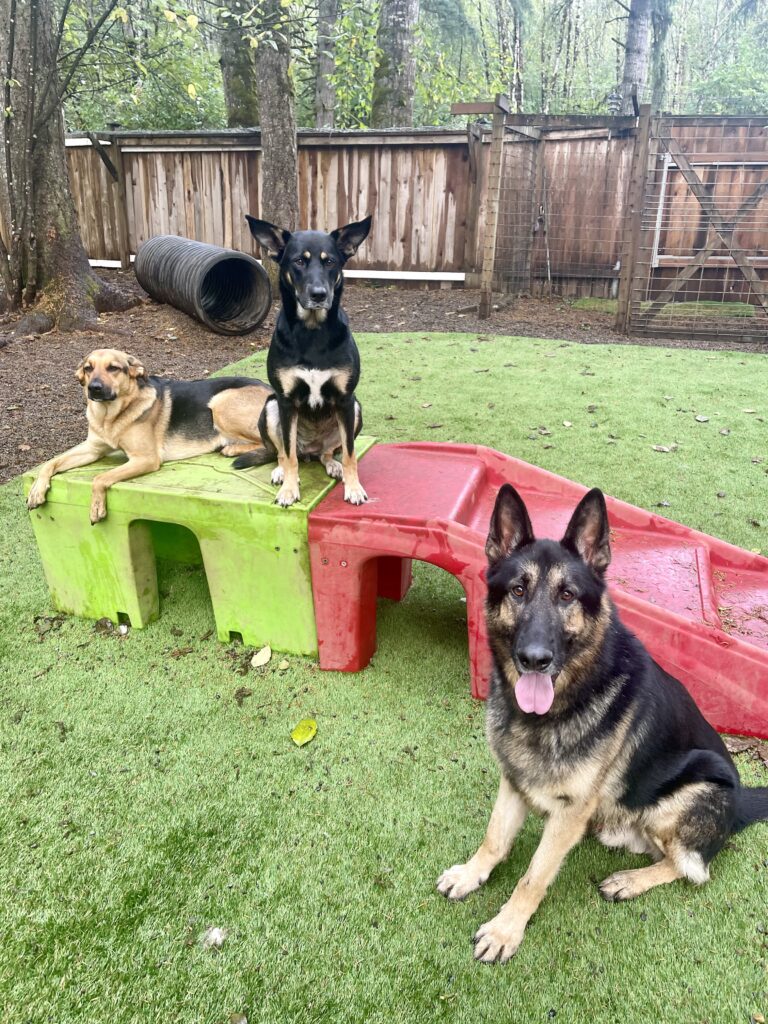
Three members of the Country Inn Pet Resort and Spa dog pack are taking a break from playing for a photo shoot in McCleary, WA.
Rehoming a dog when necessary is an act of responsibility and love, not guilt or failure.
adam winston – dogs in our world
Co-Evolution and Behavioral Insights to Reduce Stress
Dogs communicate their needs and emotions in many ways, from whining and barking to body language and crate behavior. Understanding these signals can help owners reduce stress and respond more effectively.
For example, whining may indicate a need for attention, discomfort, or anxiety, while crate training can provide dogs with a safe, calming space that reduces stress for both dog and owner.
Behaviors like whining and begging can be especially “triggering” to dog owners and professionals. These behaviors naturally pull on our heartstrings, making us want to rush to the dog’s aid—such as letting them out of their crate—which can inadvertently reinforce the behavior.
A BBC study explored how dogs have developed different sounding barks to communicate distinct messages to humans, such as “let me out of here,” “I’m bored,” “give me food,” or “hey, there’s a dog outside.” Over thousands of years of coevolution, dogs have honed these vocalizations to trigger human responses, sometimes even training us to feel anxious.
It’s important to understand that as long as you are meeting your dog’s needs, behaviors like whining and barking shouldn’t be a source of stress. Consulting with a veterinarian before hiring a certified dog trainer can help distinguish between “begging” expressions and more legitimate communication signals, which can also come in the form of repetitive behaviors such as whining and barking.
Shane “The Dog Dude” agrees with the importance of routine and structure in reducing stress for dogs and their owners. He coaches clients on crate training techniques that help dogs feel safe and comfortable while their owners are away. Proper crate training transforms the crate from a perceived “prison” into a secure den-like space that dogs often appreciate, reflecting their evolutionary denning instincts.
Our co-evolution with dogs has shaped their communication styles to be highly attuned to human cues, making it easier for us to understand and bond with them. This deep evolutionary relationship means dogs have developed unique behaviors specifically to engage with humans, such as making eye contact, reading facial expressions, and responding to vocal tones.
Recognizing these behaviors and responding with empathy can ease the invisible weight of dog ownership, fostering a stronger bond and reducing misunderstandings that often lead to stress.
For a deeper dive, listen to my podcast episode with Mark Derr, where we explore the science of dog-human coevolution and communication.
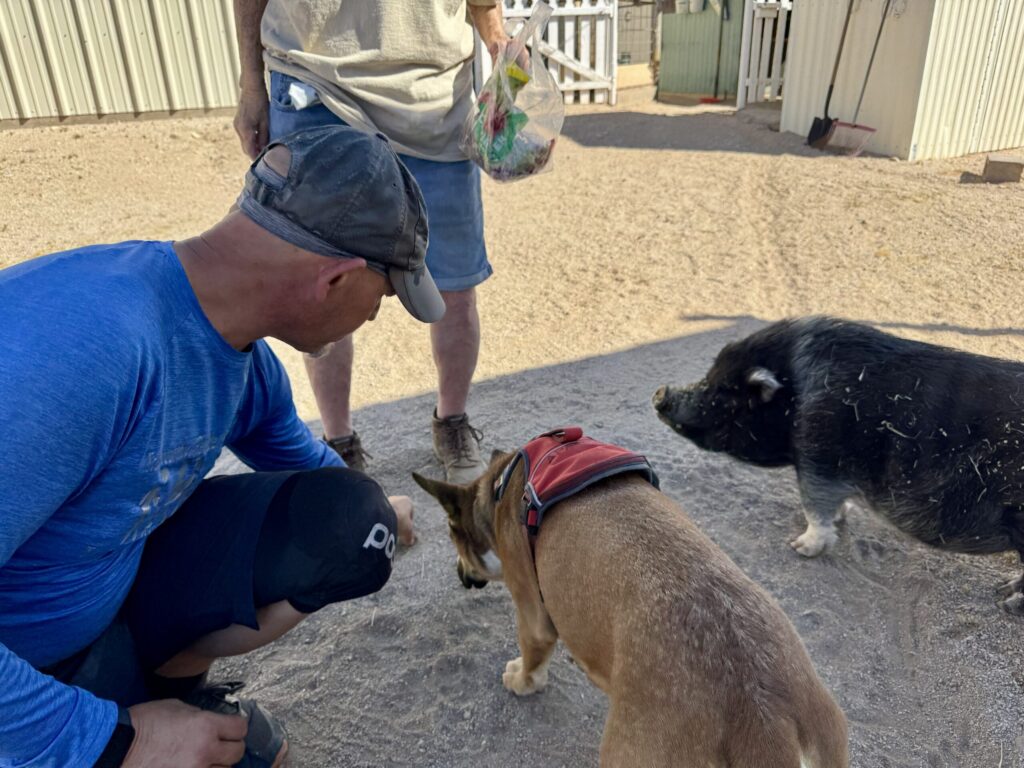
Shane “the dog dude” socializing with a pet pig and dog while on a House Call in the Sonoran Desert.
Conclusion and Compassionate Encouragement
The invisible weight of dog ownership—those feelings of guilt, stress, and self-doubt are more common than many realize. Yet, these emotions don’t have to overshadow the joy and deep connection you share with your dog. By gaining a clearer understanding of your dog’s needs and setting realistic, compassionate expectations for yourself, you can transform this invisible burden into a source of growth and mutual happiness.
Remember, empathy is a two-way street: it’s just as important to extend kindness and patience to yourself as it is to your dog. It’s perfectly okay to ask for help, whether that means reaching out to trusted local experts, exploring supportive services, or tuning into resources like my Fieldnotes Hub for ongoing guidance.
Making decisions that prioritize well-being over perfection is a sign of responsible and loving dog ownership. Whether it’s adjusting routines, seeking support during life’s transitions, or even considering rehoming when necessary. These choices reflect your commitment to your dog’s happiness and your own peace of mind.
You’re not alone on this journey. With compassion, knowledge, and community, the invisible weight can become lighter, allowing you to fully embrace the rewarding experience of sharing life with a dog in our world.
Frequently Asked Questions
Yes, many dog owners experience guilt and self-doubt about whether they are meeting their dog’s needs. These feelings are common and reflect your care and empathy.
Establishing a consistent routine, setting realistic expectations, and seeking support from professionals or trusted caregivers can help reduce stress.
Guilt often arises from comparing yourself to others, unrealistic expectations, social media portrayals, and the silent nature of dogs’ happiness.
If guilt leads to anxiety, overcompensation, or inconsistent care, it may negatively impact your bond. Recognizing this is the first step to healthier interactions.
Yes, compassion fatigue is emotional exhaustion from caring deeply for your dog, especially when managing behavioral or health challenges.
Anthropomorphism is attributing human emotions to dogs, which can lead to unrealistic expectations and increased frustration or guilt.
Rehoming can be a responsible and loving choice when life circumstances or mismatches make it difficult to provide the best care.
Planning ahead, using trusted pet care services, and maintaining your dog’s routine can ease anxiety for both you and your dog.
Learning about dog behavior, communication signals, and co-evolution with humans can improve empathy and reduce misunderstandings. Stay educated with Adam’s Fieldnotes Hub.
Provide consistent exercise, mental enrichment, a safe environment, and positive reinforcement tailored to your dog’s personality.
Remember that social media often shows highlights, not everyday realities. Focus on your unique relationship and realistic care.
If feelings of guilt or stress become overwhelming, persistent, or affect your well-being or your dog’s care, consult a veterinarian and mental health professional.

Adam Winston
Dog Trainer • Animal Behaviorist • Science Communicator
Adam is the founder of Dogs in Our World, where he blends science, storytelling, and compassion to help people understand the dogs they love. His work focuses on fear‑based behavior, trust‑building, and the emotional lives of dogs and their humans.
If you’re navigating behavior challenges or want personalized guidance, Adam offers private sessions, AKC evaluations, and education‑focused consultations.