
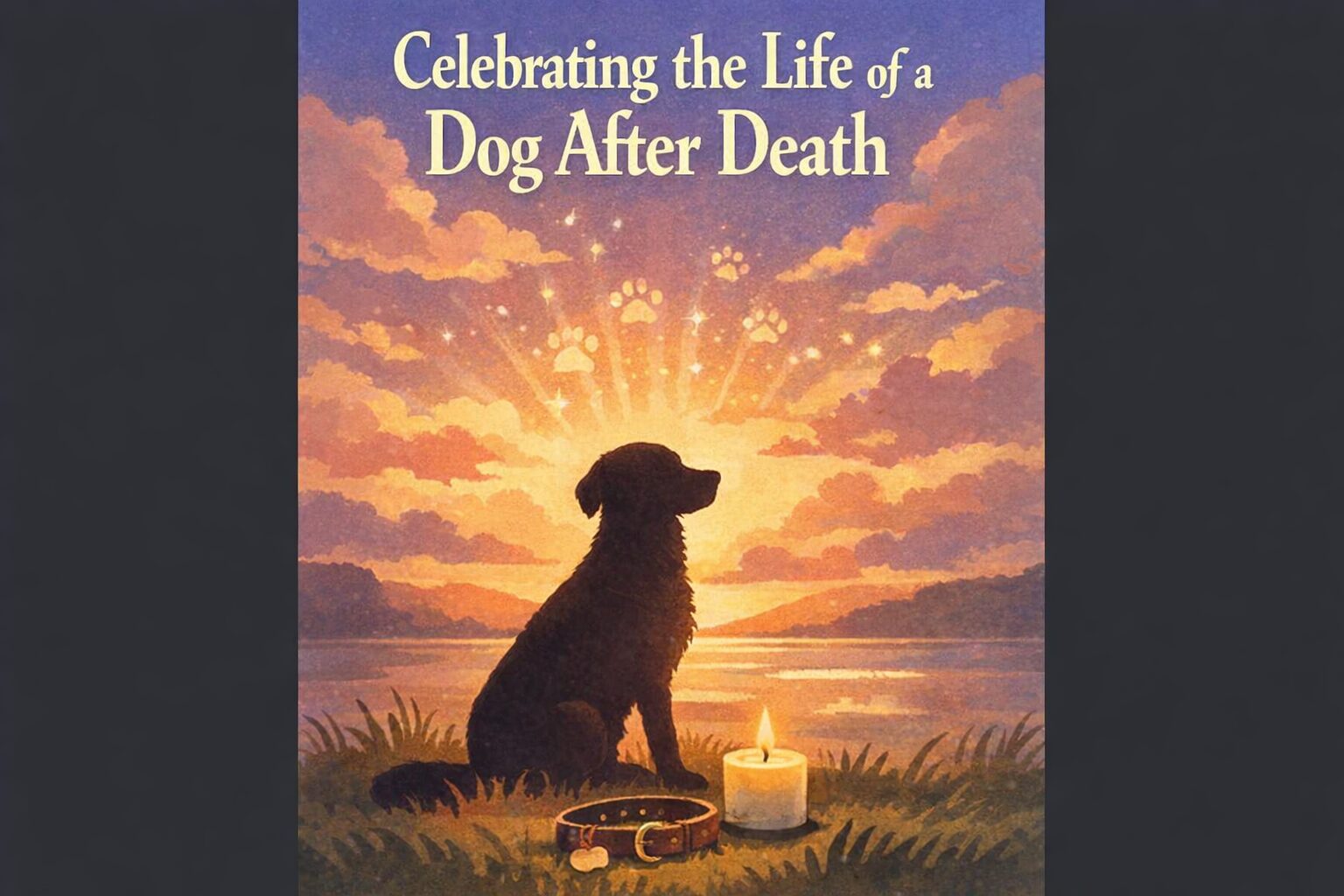
Celebrating the Life of a Dog After Death
Grieving the loss of a dog is one of the most profound and heart-wrenching experiences a pet parent can face. Grief is natural, deeply personal, and often complex. This article offers comfort, perspective, and hope to those mourning their furry companions. By celebrating the life your dog lived and the love you shared, you can find a path toward healing and even happiness.
Understanding Grief Over a Pet
Grief for a pet dog is real and valid. It’s important to acknowledge your feelings without judgment. Unlike the grief of losing a human, the grief of losing a dog has its own unique nuances—rooted in companionship, unconditional love, and daily rituals that shaped your life. Recognizing this distinct grief can help you honor your emotions and begin the healing process.
The Gift You Gave: A Life of Love and Care
One powerful way to find comfort is to remember that there are over 1 billion dogs in the world. The majority are street dogs without a proper home. Your dog was part of a special minority who experienced love, care, and a safe home because of you. This is a gift that many dogs never receive.
Celebrate the life you gave your dog. Reflect on the ways you spoiled them, the joy you shared, and the moments that made their life rich and full. This pride in the quality of life you provided can be a source of healing and gratitude.
Many pet parents find solace in sharing stories about how they pampered their dogs, the special routines they enjoyed together, and the unique personality traits that made their dog irreplaceable.
Honoring Your Dog’s Memory
Finding meaningful ways to honor your dog’s memory can help transform grief into celebration. Consider some of these heartfelt ways to keep your dog’s spirit alive and celebrate the joy they brought:
- Create a photo album filled with your favorite memories.
- Plant a tree or a garden in your dog’s honor.
- Share stories and memories with friends and family.
- Light a candle or create a small memorial space at home.
- Donate to a dog rescue or animal charity in your dog’s name.
“Pet parents can consider the idea of loving another dog after losing a beloved pet. People can and should consider being open to receiving and sharing the love of another dog…”
Bridget C. Cantrell, Ph.D., NCC, CTS, LMHC, Licensed Counselor and Trauma Therapist
“Pet parents should be open to the idea of loving another dog after losing a beloved pet. People can consider being open to receiving and sharing the love of another dog in their home when they feel ready,” says Bridget C. Cantrell, Ph.D., NCC, CTS, LMHC. “Consider temporarily fostering from a local shelter or a carefully vetted dog rescue group.”
A dog’s natural habitat is a human household, and fostering can help expedite adoption while providing a loving environment.
She also suggests volunteering at shelters to walk dogs waiting for adoption or letting friends and family know you’re interested in dog sitting, with a meet-and-greet before committing to overnight visits.
I invite you to commemorate your beloved dog by sharing a story or memory in the comments below. Sometimes, telling your dog’s story can be a healing experience and a way to connect with others who understand.
Additionally, I offer free phone consultations for anyone who simply wants to talk about a dog that recently passed away. Sometimes, a caring ear can make all the difference
When to Seek Professional Help
While grief is natural, sometimes it can feel overwhelming or persist in ways that interfere with daily life. If you find yourself struggling to cope, it’s important to seek support from licensed mental health professionals. They can provide guidance tailored to your needs and help you navigate complicated emotions.
Remember, seeking professional help is a sign of strength, not weakness.
Moving Forward with Hope and Gratitude
Healing doesn’t mean forgetting. It means carrying your dog’s memory forward with gratitude for the time you had together. Embrace the love you shared and allow it to inspire you in life going forward.
Celebrate the joy your dog brought into your life and the special bond you shared. This love is a lasting gift that continues to shape your heart.
Your grief is a testament to the deep bond you shared. By celebrating your dog’s life, you honor that bond and find a way to heal. Remember, you gave your dog a life filled with love and care—a life that many dogs never get to experience. That is something truly worth celebrating.
If you’d like to talk or share your story, please don’t hesitate to message me. You can also leave a comment at the bottom of this page for others to see. You are not alone on this journey.
About the Author: I’m not a licensed counselor, but I’ve offered a caring ear to many pet parents grieving the loss of a dog. If you need someone to talk to, I’m here to listen. Feel free to reach out for a free phone consultation.
Join the Conversation: Please share a story or memory of your beloved dog in the comments below. Your story might be the comfort someone else needs today.
Frequently Asked Questions
Yes, grieving the loss of a pet dog is a deeply personal and natural experience. The bond with your dog is unique, and feelings of sadness, anger, or emptiness are common and valid.
You can honor your dog by creating photo albums, planting trees or gardens, sharing stories with loved ones, lighting candles, or donating to animal charities in their name. These acts help keep their spirit alive.
If grief feels overwhelming, persists for a long time, or interferes with daily life, seeking support from licensed mental health professionals can provide tailored guidance and coping strategies.
Yes, surviving pets can show signs of grief such as lethargy, loss of appetite, or changes in behavior. Providing them with extra love and attention can help them cope.
Grieving is unique to each person and can last weeks, months, or longer. There is no set timeline; healing happens at your own pace.
Absolutely. Sharing your feelings and stories can be healing and help you connect with others who understand your loss. It’s encouraged to talk openly with friends, family, or support groups.

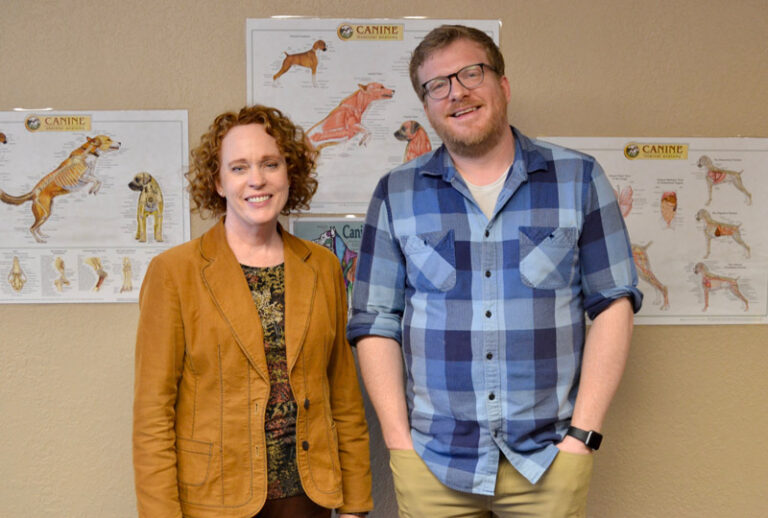
Adam Winston
Dog Trainer • Animal Behaviorist • Science Communicator
Adam is the founder of Dogs in Our World, where he blends science, storytelling, and compassion to help people understand the dogs they love. His work focuses on fear‑based behavior, trust‑building, and the emotional lives of dogs and their humans.
If you’re navigating behavior challenges or want personalized guidance, Adam offers private sessions, AKC evaluations, and education‑focused consultations.



Yes, it sure helps to know that grieving the loss of a beloved pet is so unique to each individual and there is no set guideline for the process. Grieving comes along with love and can be with you forever even though healing progresses with time.
Thank you, Adam, for giving your care and support to help us to become stronger in the face of our loss!
Tess, thank you for sharing this. You’re absolutely right. Grief looks different for everyone, and there’s no single timeline or “correct” way to move through it. The love we feel for our dogs doesn’t disappear, so it makes sense that the grief doesn’t either. It just changes shape as we heal.
I’m grateful the article offered some insight. You’ve carried your love with such strength and honesty, and that’s what helps us keep going after a loss. I’m here with you in that process.