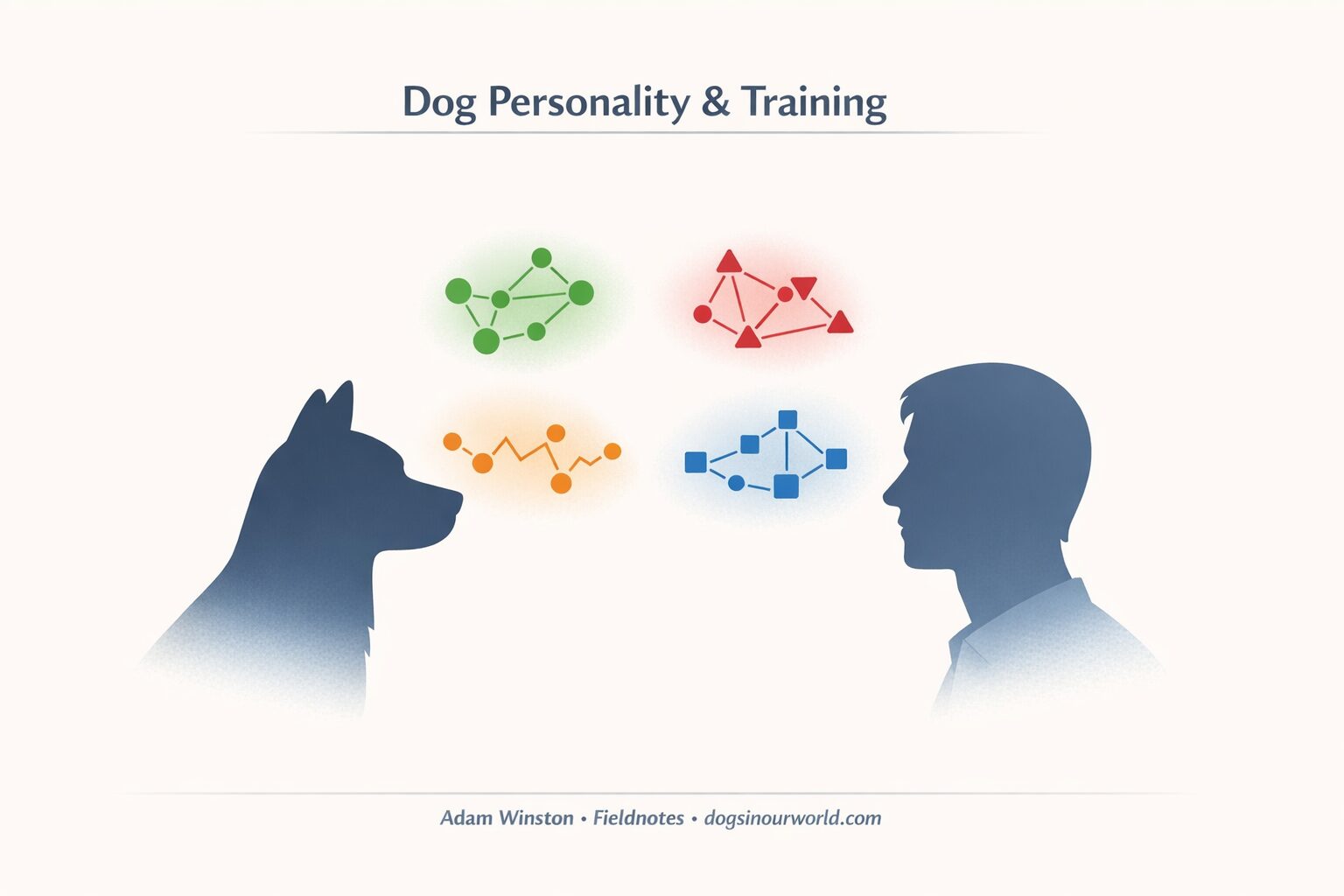
The Role of Dog Personality in Training Success
Why Understanding Your Dog’s Personality Matters for Training Success
Training your dog is far more than following a set of instructions. It’s about recognizing and respecting the unique personality traits that shape how your dog learns, reacts, and thrives. Every dog brings a distinct blend of temperament, motivation, and emotional style to the training process, making a one-size-fits-all approach ineffective and often frustrating.
In this article, we explore how understanding your dog’s personality can unlock more effective, compassionate training outcomes. We’ll delve into the latest science behind canine personality traits, share practical tips tailored to different temperaments, and highlight the powerful role of the dog-owner relationship in shaping training success. Whether you’re working with a shy rescue, an exuberant retriever, or an independent thinker, embracing your dog’s individuality is the key to building trust, motivation, and lasting education.
By the end, you’ll have a deeper appreciation for the dynamic interplay between personality and training, empowering you to create a more joyful and successful partnership with your dog.
Genetics, Temperament, and the Foundations of Canine Personality
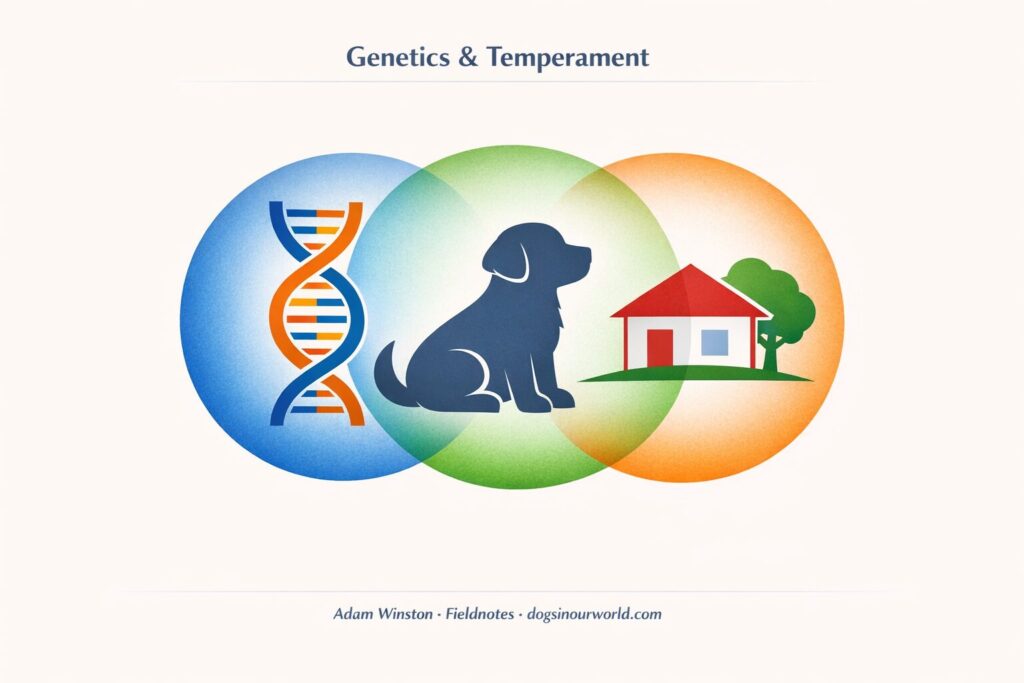
Understanding dog personality goes beyond surface behaviors to the genetic and temperamental roots that shape how dogs perceive and interact with the world. Personality is a blend of inherited temperament and life experiences, working together to create consistent patterns of behavior and emotional responses unique to each dog.
Research led by evolutionary biologist Dr. Brian Hare highlights how dogs evolved to be “survival of the friendliest,” with genetics playing a key role in social behaviors and temperament. During my studies in Applied Animal Behavior, mentors emphasized that a dog’s temperament is often inherited from their mother, underscoring the deep biological foundations of personality.
Dogs may display traits like sociability, fearfulness, excitability, and trainability, but these are expressions of underlying genetic predispositions shaped by environment and experience. For example, a dog with a genetically sensitive temperament may be more prone to cautious or fearful reactions, which can be softened through positive training and socialization.
Recognizing these foundations allows trainers and owners to tailor interventions that build confidence and trust, respecting each dog’s individuality. This approach not only improves training outcomes but also deepens the emotional bond between dog and owner.
For readers interested in a deeper dive into genetics and temperament, check out our detailed article on why some dogs react fearfully, including toward men, which explores these concepts with real-world examples and expert insights.
How Personality Predicts Training Outcomes
Scientific research increasingly confirms that a dog’s personality plays a crucial role in shaping training success. Studies consistently show that dogs with high trainability—characterized by eagerness to learn, responsiveness to commands, and adaptability—tend to pick up new skills faster and retain them longer. For example, research published in the Journal of Veterinary Behavior highlights that dogs scoring high on traits like sociability and low fearfulness excel in obedience training and behavioral modification programs.
Conversely, dogs exhibiting high levels of fearfulness or anxiety often require more patient, gentle training approaches. These dogs may be slower to respond to commands or more easily distracted, underscoring the need for trust-building and confidence-enhancing techniques.
According to the American Kennel Club’s official Canine Good Citizen (CGC) training guidelines, fearful or sensitive dogs benefit most from positive reinforcement methods that emphasize emotional safety and confidence‑building.
Importantly, recent research also emphasizes the interactive nature of training success. It’s not just the dog’s personality that matters. Owner characteristics such as cognitive engagement, consistency, and emotional attunement profoundly influence outcomes. A strong, positive dog-owner bond can buffer challenges posed by difficult personality traits, creating a supportive environment for learning. For instance, a 2019 study in Applied Animal Behaviour Science demonstrated that owners who adapt their training style to their dog’s temperament see better compliance and stronger relationships.
These findings collectively highlight that effective training is a dynamic, two-way process shaped by both canine and human factors. Understanding this partnership allows owners and trainers to tailor their methods, fostering more successful and compassionate training experiences.
Dogs exhibiting high levels of fearfulness or anxiety often require more patient, gentle training approaches.
Adam Winston – Dogs in our world
Adapting Your Training Approach Based on Your Dog’s Personality
Training success often hinges on how well you tailor your approach to your dog’s unique personality. Recognizing and respecting these individual differences can transform challenges into opportunities for growth and deepen the bond you share.
Shy or Fearful Dogs
For dogs that tend to be shy or fearful, building trust is paramount. These dogs benefit from gentle, low-pressure training techniques that prioritize emotional safety. Positive reinforcement methods, such as rewarding small steps toward confidence, help create a safe learning environment. Providing quiet, distraction-free spaces during training sessions allows these dogs to focus without feeling overwhelmed. Patience is key; rushing can increase anxiety and hinder progress.
Highly Excitable Dogs
Dogs with high energy and excitability often struggle with focus during training. Structured routines that include short, frequent sessions can help channel their energy productively. Incorporating calming strategies, like deep pressure or scheduled breaks, supports better attention. Using high-value rewards and interactive games keeps these dogs engaged and motivated. Consistency in commands and expectations helps reduce overstimulation and confusion.
Independent or Less Motivated Dogs
Some dogs show more independent tendencies or lower motivation, which can be mistaken for stubbornness. Instead of labeling them, it’s more effective to increase motivation through varied rewards and engaging activities. Puzzle toys, scent games, and play-based training can capture their interest. Patience and creativity are essential. Experimenting with different rewards and training styles helps identify what resonates best. Building a positive, stimulating environment encourages participation and learning.
For a deeper understanding of canine motivation and how to effectively engage dogs often labeled as “stubborn,” check out our detailed article on canine motivation. It offers science-based insights and practical strategies to help you connect with and inspire your dog.
Across all personality types, positive reinforcement remains the foundation of effective training. Patience, consistency, and empathy are crucial ingredients that foster trust and cooperation. Tailoring your training approach not only improves outcomes but also strengthens the emotional connection between you and your dog, making the journey enjoyable for both.
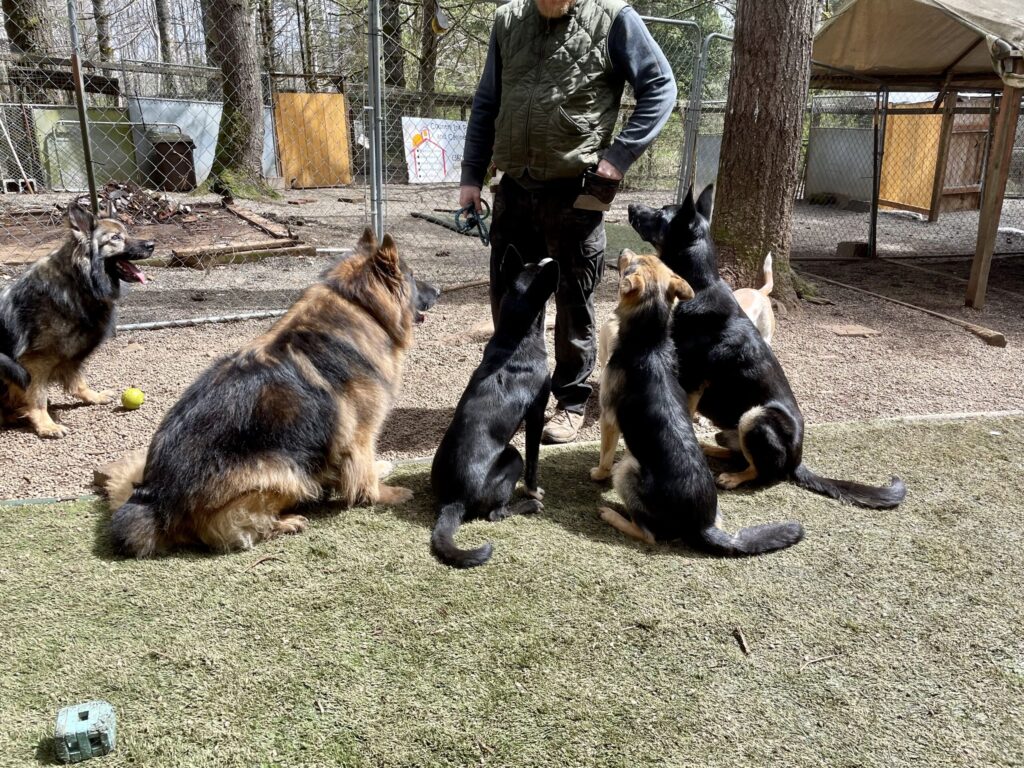
Stories That Illustrate the Power of Personality-Aware Training
Meka, the Shy Rescue: Bella arrived at her new home with a history of fearfulness and anxiety. Early training sessions were slow and required a gentle, patient approach. Her owner focused on building trust through positive reinforcement, rewarding even the smallest steps toward confidence. Over time, Bella began to engage more actively, responding to cues and showing curiosity during walks. This gradual progress highlights how understanding and respecting a shy dog’s personality can transform training from a stressful experience into a joyful partnership.
Max, the Energetic Retriever: Max’s exuberance made traditional training sessions challenging. Easily distracted and bursting with energy, Max needed a different approach. His owner implemented short, frequent training sessions combined with structured play and calming breaks. Using high-value rewards and interactive games kept Max motivated and focused. This tailored strategy helped channel Max’s energy productively, leading to improved obedience and a happier, more balanced dog.
Jordan, the Independent Thinker: Luna often seemed uninterested in training, leading some to label her as stubborn. However, her owner discovered that Luna responded best to creative, play-based rewards rather than standard treats. Incorporating puzzle toys, scent games, and varied activities sparked Luna’s engagement and enthusiasm. This case underscores the importance of patience and creativity in training dogs with independent personalities, turning perceived challenges into opportunities for connection and learning.
These real-world examples demonstrate that recognizing and adapting to your dog’s personality is key to unlocking training success. By tailoring your approach, you not only improve learning outcomes but also deepen the bond you share, making training a rewarding experience for both you and your dog.
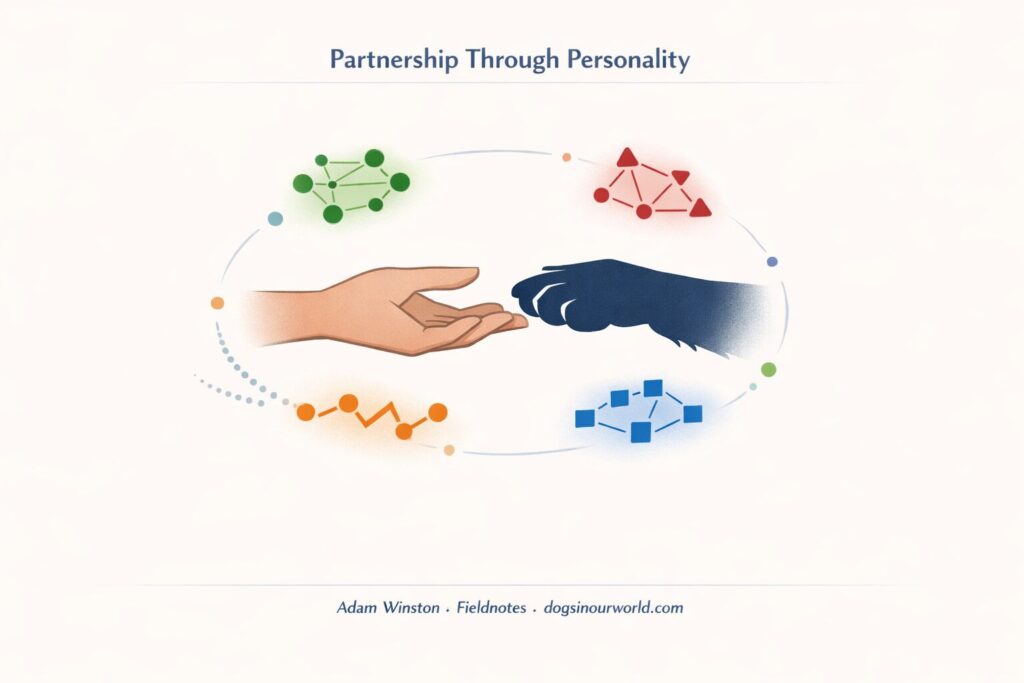
Unlock Training Success by Embracing Your Dog’s Personality
Understanding your dog’s personality is a powerful tool that transforms training from a chore into a rewarding partnership. By observing, adapting, and responding to your dog’s unique traits, you create a foundation for lasting success and a deeper connection.
At Dogs in Our World, we specialize in personalized training approaches that honor your dog’s individuality and motivation. Our services are designed to help you build trust, improve communication, and achieve meaningful progress tailored to your dog’s unique personality. Whether you’re facing challenges or aiming to deepen your bond, we provide compassionate, science-based guidance every step of the way.
For further learning, explore the Fieldnotes Hub. It’s a growing library of science‑based articles, illustrations, and training insights designed to help you continue growing alongside your dog. Embracing personality‑aware training unlocks not only better behavior but also a joyful, lifelong partnership.
Frequently Asked Questions
Dog personality refers to consistent behavior and emotional patterns unique to each dog. Understanding these traits helps tailor training approaches for better success and a stronger bond.
Genetics provides the biological foundation for temperament, influencing traits like sociability and fearfulness. These inherited traits interact with life experiences to shape personality.
While core temperament is relatively stable, personality can evolve with experiences, training, and environment, especially during early development.
Common traits include sociability, fearfulness, excitability, trainability, and independence, each of which affects how dogs learn and interact.
Tailoring training to a dog’s personality increases motivation, reduces stress, and fosters trust, leading to more effective learning.
Gentle, low-pressure positive reinforcement, along with patience and safe environments, helps build confidence in shy or fearful dogs.
Use short, frequent sessions with calming breaks and high-value rewards to channel energy productively and maintain focus.
Dogs labeled as stubborn often respond well to varied, engaging rewards such as puzzle toys and play-based training to boost motivation.
A strong, positive bond enhances training success by creating a supportive environment and improving communication.
Yes, with consistent, compassionate training focused on emotional safety, fearful behaviors can be softened and confidence built.
Breed tendencies influence personality traits, but individual differences and training approaches are more impactful than breed alone.
Explore the Dogs in Our World Fieldnotes Hub. The hub includes detailed guides on genetics, temperament, and canine motivation for a deeper understanding.

Adam Winston
Dog Trainer • Animal Behaviorist • Science Communicator
Adam is the founder of Dogs in Our World, where he blends science, storytelling, and compassion to help people understand the dogs they love. His work focuses on fear‑based behavior, trust‑building, and the emotional lives of dogs and their humans.
If you’re navigating behavior challenges or want personalized guidance, Adam offers private sessions, AKC evaluations, and education‑focused consultations.